
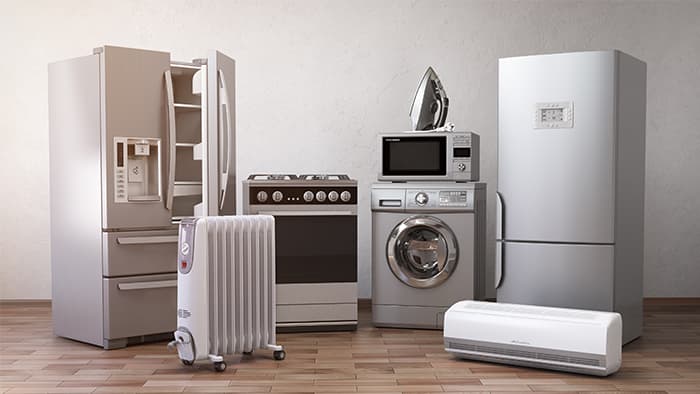
Household appliances have long ceased to be a luxury—they’ve become an essential part of everyday life. But while refrigerators, washing machines, and coffee makers were once bought for ownership, today more and more companies are offering them by subscription. This model, which has become common in the world of digital content, is now entering our kitchens, bathrooms, and living rooms. But does it really change the rules of the game, or is it just a flashy but temporary attempt to rethink traditional consumption formats?
Why Is Subscription-Based Appliance Use Gaining Popularity?
The subscription model has penetrated almost every aspect of life—from TV shows and music to cars and office furniture. Now it’s increasingly being applied to household appliances. In Hungary, this trend has not yet become mainstream, but international brands have already started experimenting in the European market.
The emergence of this model is not only due to changes in consumer behavior but also to a general trend toward convenience, sustainability, and financial flexibility. It offers a new way of viewing household appliances—not as possessions, but as services.
Accessibility Without Credit
One of the key advantages is the ability to use appliances without having to take out a loan or arrange installment payments. This is especially important for those who do not want or cannot burden themselves with debt.
Full Service Included
Unlike traditional purchases, subscriptions often include warranty service, technical support, and sometimes even a device replacement after a certain period. This is particularly appealing when it comes to complex or expensive appliances such as dryers, dishwashers, or multifunctional kitchen machines.
Sustainability and Eco-Consciousness
The subscription model also contributes to the promotion of eco-friendly practices. Instead of disposing of old appliances, users return them to the company, which refurbishes, upgrades, or redistributes them. This reduces waste and extends the life cycle of the products.
What About the Drawbacks?
Despite the advantages, subscriptions come with downsides. First and foremost is the issue of financial value. Over long-term use, monthly payments may exceed the actual cost of the appliance. Moreover, at the end of the subscription period, the device remains the property of the company, not the user. This might not suit those who prefer ownership and stability.
Besides financial considerations, there are other practical limitations that might affect one’s decision to opt for a subscription. Not everyone is willing to give up control over their appliances in exchange for convenience and service.
Limited Freedom of Choice
Not all subscription services allow customers to choose the specific model they want. Sometimes the selection is limited or predetermined. Additionally, there may be penalties for damaging the appliances, breaching usage conditions, or delayed payments.
How Do Hungarian Consumers Perceive This Model?
As of now, the subscription model for household appliances in Hungary is still in its early stages. Most consumers continue to prefer traditional purchases, especially among older age groups. However, among younger people and renters, there is clear interest in this model—primarily because of its convenience and lack of large upfront costs.
The socio-economic background, rising costs of electronics and housing, and a shift in values all create fertile ground for the spread of subscriptions. This is particularly true in Budapest and other large cities.
Is Subscription the Future?
Can appliance rental be seen as a long-term solution rather than just a passing trend? Many analysts believe that while this model won’t entirely replace traditional purchases, it will carve out a stable niche—especially among urban populations and those who value flexibility.
Technological advancement and improved logistics are creating more and more prerequisites for the growth of such services. If companies offer transparent terms and a wide selection of devices, the subscribe-and-use model may well become part of everyday reality.
Conclusion
Household appliances by subscription are more than just a marketing experiment. They are an attempt to adapt to new consumption patterns, economic uncertainty, and a changing mindset among consumers. Whether this model will dominate the market or remain a niche solution remains to be seen. But one thing is already clear: the subscription model reshapes the way we use products and makes daily life a bit simpler and more flexible.
