
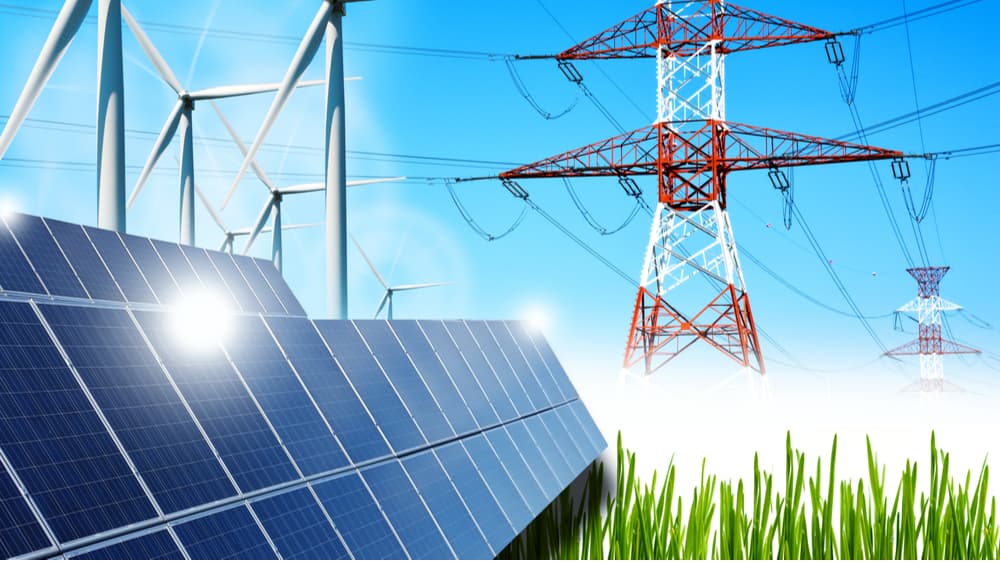
The future begins with changes in the present. As European megacities strive to become sustainable and environmentally neutral, technology is transforming the very foundation of urban infrastructure. Smart grids, intelligent algorithms, and the use of renewable energy sources are becoming essential elements of modern urbanism. In Hungary, as in other EU countries, the concept of a “smart city” is actively developing, where digital systems and green energy operate in sync. This is not a futuristic dream but an already implementable reality.
A New Kind of Energy: Why Cities Are Switching to Green Sources
Traditional energy systems are no longer able to meet the demands of rapidly growing cities. Alongside environmental concerns, the risks of system failures, overloads, leaks, and energy loss in aging grids are increasing. The response to these modern challenges has come in the form of solar panels, wind turbines, and geothermal plants — enabling neighborhoods to be powered with clean, renewable energy and leaving a minimal carbon footprint.
Hungary is taking confident steps in this direction: government programs are encouraging individuals and businesses to install solar panels, and in Budapest, microgrid projects based on renewable resources are already underway. New districts in the capital are being built with energy autonomy in mind — electric vehicles, pump stations, and even local servers can be powered by solar or wind energy.
What Are Smart Grids and How Do They Work?
Smart energy grids are systems in which data about electricity consumption, generation, and distribution is transmitted in real time. The main goal of such a network is to ensure flexibility by redistributing resources to where they are truly needed and reducing loads during peak hours. For instance, if energy consumption surges in one district due to an event or weather conditions, the grid can automatically reroute the flow without human intervention.
The integration of these grids with solar and wind installations marks a true breakthrough. Renewable sources are inherently unstable — the sun doesn’t shine at night, and the wind doesn’t always blow. However, thanks to forecasting algorithms, artificial intelligence, and automation, the system can pre-plan energy supply routes, taking into account weather scenarios, peak times, and object priorities.
The Smart City as a Digital Ecosystem
The smart city concept includes not only energy grids but also smart lighting, traffic regulation, waste management systems, and safety networks. All these elements are interconnected and share data. This enables, for example, streetlights to activate only when pedestrians are nearby or transport routes to be redirected in real-time in case of traffic congestion.
Interestingly, this digital infrastructure also supports the growth of the online entertainment sector. Reliable high-speed connections, stable power supply, and high cybersecurity levels create a favorable environment for virtual leisure — whether streaming video, eSports, or magyar online casino. In recent years, more and more people in Hungary prefer spending their free time in such digital formats, and this too demands modern technological solutions.
The Home as an Energy Cell: The Role of the Consumer
Modern residential buildings are no longer just consumers but are becoming energy generators. Rooftop solar panels, batteries, and consumption control systems are transforming homes into active participants in the energy system. Surplus energy can be stored or fed back into the grid for compensation. This gives rise to what is known as decentralized energy, where every user becomes part of a larger system.
Hungarian startups are already working on solutions in this field. Some offerings include mobile apps that allow users to track and manage their household energy consumption, adapting it to weather conditions and current rates. With the development of artificial intelligence, it’s becoming possible to “train” homes to analyze residents’ behavioral habits and automatically adjust energy consumption settings.
Obstacles and Challenges: Why the Transition to Smart Cities Is Not So Fast
Despite the clear benefits, the transition to smart grids and green energy requires significant investment and legislative change. One of the key challenges remains the modernization of old infrastructure: in many major Hungarian cities, electrical grids haven’t been updated for decades. Additionally, there is a need to train professionals, implement safety standards, and protect the data circulating within digital systems.
Public engagement is equally crucial. Not everyone is ready to invest in solar panels or change their usual consumption patterns. Awareness campaigns, financial incentives, and smart urban planning are the tools that can help shift this mindset.
A Future We Already Live In
The smart city is not a fantasy but a logical continuation of the digital transformation we are witnessing everywhere. In Hungary, this transformation is gaining momentum: from Budapest to Debrecen, pilot projects are emerging that combine renewable energy with intelligent systems.
Life in such a city becomes more comfortable and secure. Less emissions, more autonomy, new forms of employment and entertainment, and expanded opportunities for small and medium-sized businesses — including digital services. Ultimately, it’s about creating an environment where technology serves not just efficient management but the well-being of every resident.
Cities of the future are places where energy and data flow freely, under control, and in the interest of people. And step by step, Hungary is moving in exactly this direction.
