
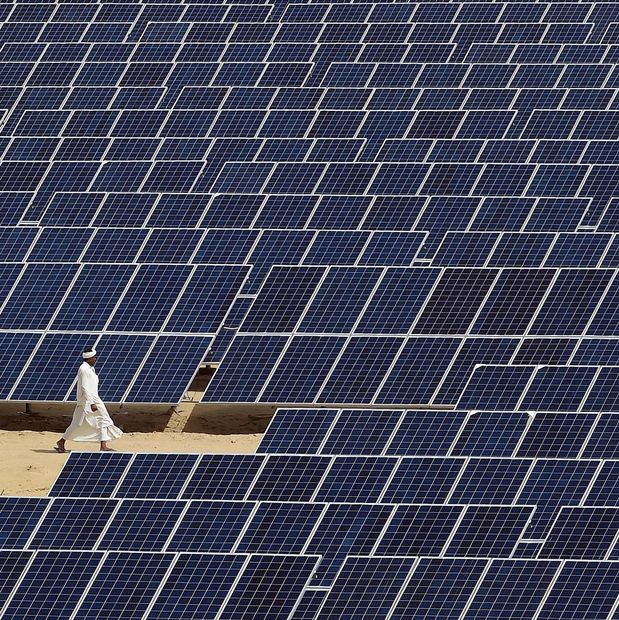
Nowadays it is very important to save money and look for alternative heating and lighting options. Now it is very difficult to find quality products that work properly, and also would not cost very much. It’s almost impossible, but our world is constantly evolving.
This allows scientists to find new sources of power that can provide access to conveniences without which human life simply cannot exist. These sources can include the production of electricity and heat. Solar panels, wind-powered systems, and water plants are not a complete list of such processes and items that can provide fairly inexpensive conveniences.
Advantages of Solar Power
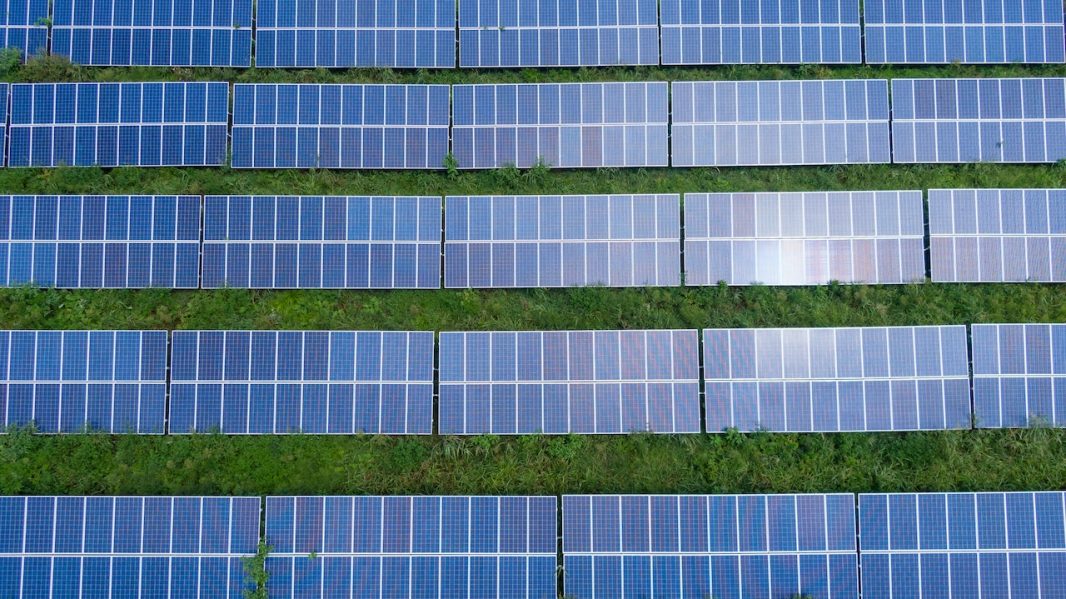
 Photovoltaic solar panel has a virtually unlimited life (in 25-30 years their output is reduced by 10-20%). It does not make noise, does not require fuel, does not smell, you do not need to carry canisters, change oil and build a separate (preferably fireproof) room with soundproof walls, exhaust ventilation and exhaust pipe.
If you have a power system with solar panels, you listen to the birds and admire the children playing in the garden and do not inhale CO2.
An undoubted advantage of the round-the-clock power supply is the possibility of installing an alarm system.
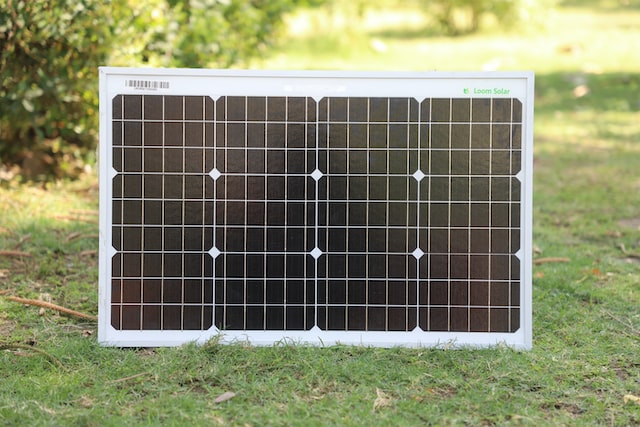
One solar battery capacity of 80-100 watts provides the necessary lighting, small TV, water pump, trimmer. And with the installation and connection can cope with any schoolboy. Solar panels have no “mechanics” (in fact, there is nothing to break), used tempered, textured glass, which does not reflect the rays, allows you to collect 15% more scattered radiation, and can withstand any hail and wind.
Moreover, it is very practical and aesthetic to use solar panels as a roofing material. In addition to generating electricity, there is partial shading and lighting of the attic or attic space. Not to mention a self-sufficient gazebo, with lighting, fountain and multimedia “gimmicks”.



We partner with forward-thinking businesses












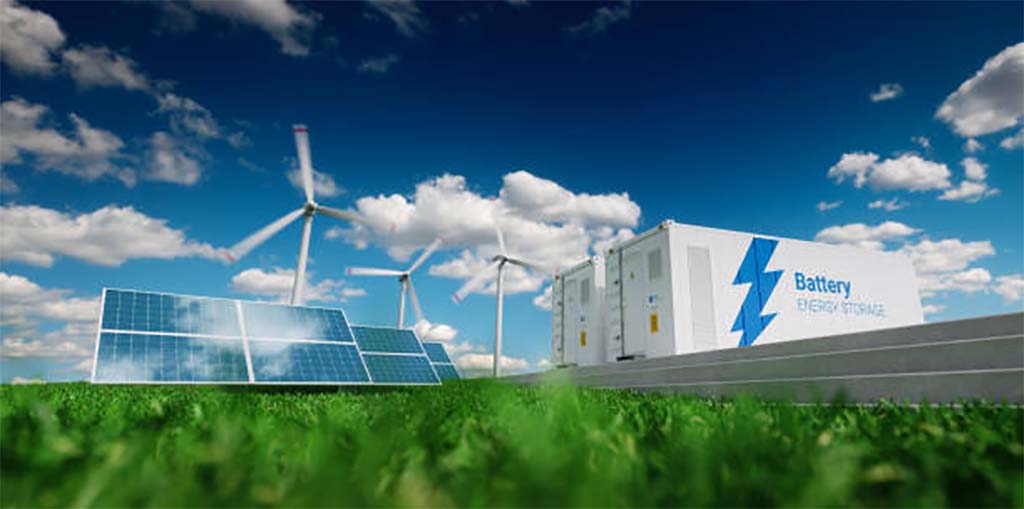
Wind energy is clean and renewable energy, but it is intermittent, with variations throughout the day and season, and even from year to year. Wind turbines operate about 60% per year in windy regions. By comparison, coal plants operate at about 75-85% of their total capacity.